
Ductless mini-split systems have become increasingly popular as West Virginia homeowners search for flexible, efficient climate control options. But what are ductless systems, how do they differ from traditional central HVAC, and when might one be the best choice for your living space? This post covers the essentials to help you determine if a ductless mini-split is worth considering for your home.
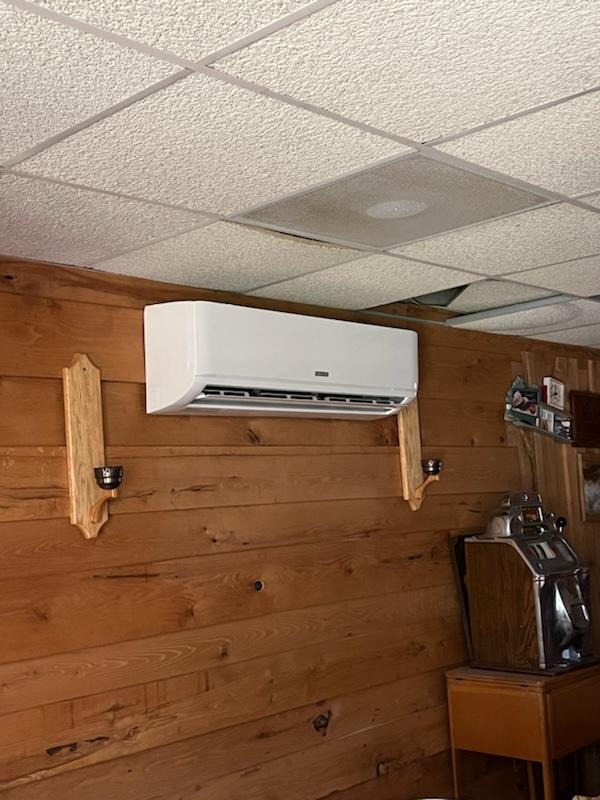
What Is a Ductless Mini-Split and How Does It Work?
Ductless mini-split systems, or simply mini-splits, are heating and cooling solutions that deliver comfort without the need for ductwork. Each system consists of an outdoor compressor unit and one or more indoor air handling units connected by a small conduit carrying refrigerant and power. This design allows for direct delivery of conditioned air into designated rooms or zones.
Mini-splits are commonly available as heat pumps, meaning they can both cool and heat your space. You use a remote or wall-mounted controller to adjust temperature settings, fan speed, and operate individual zones independently for customized comfort.
Ductless Mini-Splits vs. Traditional HVAC: Key Pros and Cons
When weighing mini-splits against central air installation or forced air furnace systems, it’s important to understand the pros and cons as they relate to West Virginia’s distinct four-season weather.
Pros:
-
Targeted temperature control in specific rooms, ideal for homes with inconsistent heating or cooling needs
-
No ductwork required, minimizing installation invasiveness and energy loss
-
Greater energy efficiency, which can lower utility bills, especially in small homes or for supplementing existing systems
-
Quieter operation indoors compared to many older HVAC units
Cons:
-
Higher initial equipment cost per zone than a typical window air conditioner
-
Might not be the most economical choice if you need whole-house cooling or heating for a large home with existing ducts
-
Regular cleaning of filters and routine mini-split maintenance is needed to ensure longevity and optimal performance
Ideal Uses for Ductless Mini-Splits in West Virginia Homes
Not every home in southern West Virginia is built the same, which means the best HVAC solution can vary widely from neighborhood to neighborhood. Ductless mini-splits are particularly valuable for:
-
Older and historic homes that lack existing ductwork, common in downtown Beaver and nearby communities
-
Home additions, sunrooms, garage conversions, or finished basements where extending ductwork is difficult or impractical
-
Homeowners who want to fine-tune comfort for bedrooms, offices, or living spaces while reducing energy usage in less-frequented rooms
-
Properties with uneven heating or cooling due to layout, large windows, or insulation differences
Real-world examples from R&R Comfort Systems, LLC include the installation of mini-splits in rural cottages where hauling or fitting bulky ductwork was simply not feasible, and in growing families’ homes needing adaptive temperature control for new nursery or office spaces.
Seasonal and Climate Considerations for Ductless Mini-Splits
In West Virginia, temperatures swing from humid summers to chilly winters. Modern ductless mini-splits are built to perform efficiently across these conditions, particularly when installing hyper-heating or cold-climate models. These systems can efficiently heat when outdoor temperatures plunge below freezing, making them practical for year-round use in this region. Rapid temperature changes in the Appalachian foothills also highlight the benefit of fast-acting, zone-based comfort that traditional systems struggle to provide.
Ready to Explore Ductless Mini-Split Options in Beaver, WV?
If you are considering ductless mini-split installation, repair, or need routine service to keep your system running smoothly in Beaver, WV or surrounding areas, reach out to R&R Comfort Systems, LLC. Call (304) 894-4801 or fill out our easy online form to schedule a consultation and discover the best comfort solutions for your West Virginia home.