
Choosing a reliable heating system is crucial for comfort and energy efficiency, especially in West Virginia’s colder climate. Homeowners in Sophia, Beckley, and Alderson face challenging winter temperatures, so understanding the differences between heat pumps and furnaces is essential for making the right decision. This blog post will guide you through the main distinctions, performance considerations, and cost implications that matter most in this region.
Understanding Heat Pumps and Traditional Furnaces
Heat pumps and furnaces perform the same essential function that is keeping your home warm, but they do it in very different ways.
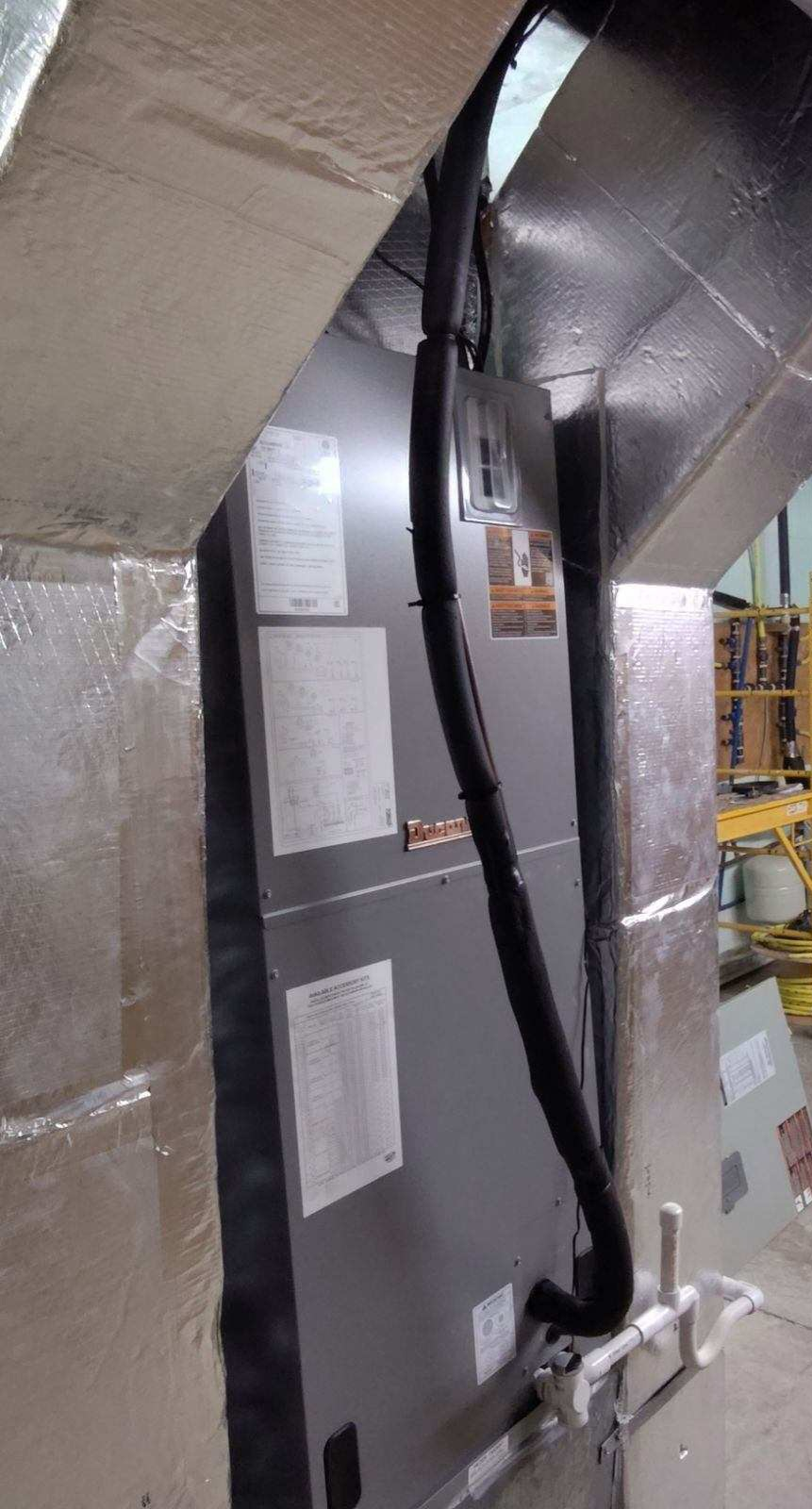
A heat pump is an all-in-one electric system that transfers heat from the outside air, even during chilly weather, to naturally warm your home. During summer, it can reverse the process for cooling. This dual-function capability is a major perk, especially for homes with limited space.
On the other hand, a furnace generates heat by burning natural gas, propane, or oil, then distributing that heat throughout your home via ductwork. Furnaces are a tried-and-true method that many local homes use for reliable warmth during harsh winters.
Energy Efficiency and Cost Implications
Energy efficiency directly impacts your monthly utility bills, so it’s important to consider how both systems operate. Heat pumps are generally more energy-efficient because they move heat rather than generate it, which can lower electricity consumption. However, as the region gets colder, heat pumps require more energy to extract warmth from the outside air, sometimes needing a supplemental electric source.
Furnaces, especially modern high-efficiency models, also offer solid energy savings. These units achieve higher Annual Fuel Utilization Efficiency (AFUE) ratings, meaning greater warmth for less fuel. Yet, because most furnaces run on gas, fluctuating fuel prices will still affect your costs.
Homeowners should review:
-
Upfront installation costs
-
Expected annual operating expenses
-
Upkeep and typical repair costs
Based on real examples in the Beckley area, many homeowners report lower utility bills with a new heat pump, while others rely on gas furnaces for steady heat during deep freezes.
Performance in Colder Climates
West Virginia experiences winters that can dip well below freezing, particularly in areas like Sophia and Alderson. Heat pumps tend to lose efficiency when the outside temperature falls below 30-35°F. Although many advanced models are now designed for colder climates, a backup heat source is sometimes necessary.
Gas or oil furnaces perform consistently regardless of outdoor temperatures. Their powerful heating capabilities ensure homes stay comfortable through the coldest nights. For properties where reliability and comfort during severe cold snaps are a priority, a furnace may be the preferred option.
What Local Homeowners Should Consider
Before selecting a system, it’s essential to evaluate both your home’s structure and your family’s needs. Residents in Sophia, Beckley, and Alderson often live in older homes, many of which have existing ductwork suitable for direct furnace replacement. However, if you need a solution for both heating and cooling, a heat pump may be more appealing and cost-effective in the long term. Consulting with a local HVAC professional can help determine your home’s insulation quality, window conditions, and overall efficiency. Every factor impacts which system is optimal for you.
Ready for Comfort? Contact R&R Comfort Systems, LLC in Beaver, WV
Whether you’re considering the installation of a new heat pump or the replacement of an outdated furnace, R&R Comfort Systems, LLC can help you make the right choice for year-round comfort. Serving Sophia, Beckley, Alderson and surrounding areas, our skilled team guides you through every step, from consultation to installation and seasonal maintenance. For more information or to schedule your personalized assessment, call (304) 894-4801 or fill out our easy online form on the R&R Comfort Systems, LLC website today.